Forklift OSHA Violations: 10 Safety Risks Operators Must Prevent
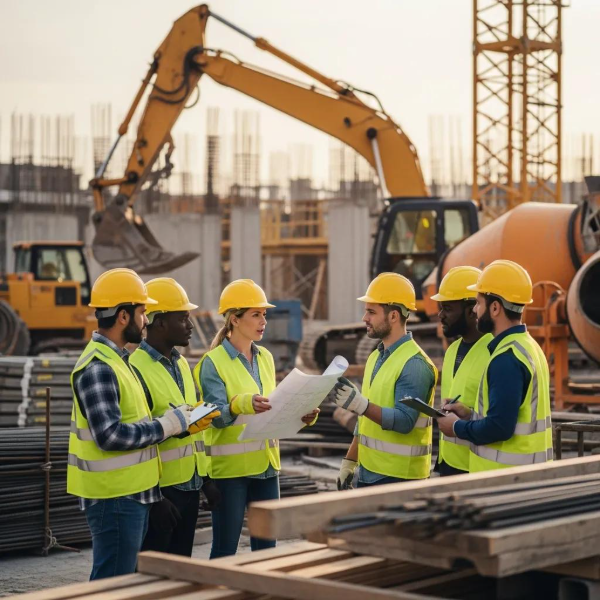
OSHA violations involving forklift operations are often preventable, but they remain a major source of workplace injuries, property damage, and costly citations. Forklift operators work around heavy loads, narrow aisles, loading docks, pedestrians, trailers, and constantly changing floor conditions. That makes safe operation, daily inspections, proper training, and clear workplace procedures essential.
This guide explains the OSHA safety violations that matter most to forklift operators and the employers responsible for keeping them trained, evaluated, and equipped to work safely. By focusing on the most common trouble areas, companies can reduce incidents, strengthen compliance, and build safer warehouse and facility operations.
Key Takeaways
-
- Forklift-related OSHA violations are often tied to inadequate training, poor inspections, and unsafe operating habits.
-
- Daily pre-shift inspections help identify equipment problems before they lead to incidents.
-
- Fall hazards, pedestrian strikes, unstable loads, and dock safety issues are major risks in forklift environments.
-
- Hazard communication, PPE, and battery charging safety are commonly overlooked but important compliance areas.
-
- Accurate training records, operator evaluations, and regular audits support long-term OSHA compliance.
-
- Employers should combine classroom instruction, hands-on evaluation, and refresher training to improve safety performance.
What OSHA Safety Violations Matter Most to Forklift Operators?
Forklift operators are affected by more than just the powered industrial truck standard. In many facilities, OSHA citations involving forklifts also involve fall hazards, PPE, electrical safety, chemical exposure, and walking-working surfaces. The most important violations for forklift operations often include:
- Fall Protection: Missing or inadequate fall systems for work at heights.
- Hazard Communication: Labels and safety data sheets not maintained or accessible.
- Respiratory Protection: No program, fit testing, or required respirators.
- Scaffolding: Improper setup or use that risks falls.
- Lockout/Tagout: Procedures absent or not followed during servicing.
- Powered Industrial Trucks: Operator training, inspections, or safe practices lacking.
- Electrical Wiring Methods: Unsafe installations and noncompliant wiring.
- Machine Guarding: Guards missing or ineffective, exposing moving parts.
- PPE: Required equipment not provided or used correctly.
- Ladders and Stairways: Poor maintenance or misuse leading to falls.
Understanding these issues helps operators and employers focus on the violations most likely to create injuries and OSHA exposure in forklift-heavy workplaces.
See all of our available certifications to get covered on these common violations:
1. Powered Industrial Trucks
Forklift violations remain one of the most important OSHA concerns in warehouses, distribution centers, manufacturing plants, and shipping operations. These citations often happen when employers allow employees to operate forklifts without proper training, fail to evaluate operator performance, or do not retrain workers after unsafe behavior or an incident.
Common forklift-related problems include:
-
- Operating without documented training
-
- Allowing unauthorized employees to use forklifts
-
- Skipping operator evaluations
-
- Failing to retrain after an accident or near miss
-
- Using the wrong truck for the environment or load
-
- Driving too fast for conditions
-
- Turning with unstable or elevated loads
-
- Failing to use seat belts when required
-
- Ignoring load capacity limits
Forklift operators should understand that certification is not just a one-time formality. OSHA expects training to match the type of truck being used, the conditions of the workplace, and the operator’s demonstrated competence.
2. Fall Hazards Around Docks, Mezzanines, and Edges
Forklift operators may not think of fall protection as a forklift issue, but loading docks and elevated work areas create serious fall risks. A forklift can accidentally travel too close to a dock edge, a trailer can separate from the dock, or an operator can be injured when working near an unprotected mezzanine or platform.
Common hazards include:
-
- Driving near unguarded dock edges
-
- Entering trailers that are not properly secured
-
- Crossing unstable dock plates
-
- Operating near floor openings or elevated ledges
-
- Poorly marked drop-offs and transitions
Forklift safety depends heavily on dock awareness. Operators should slow down in dock areas, confirm trailer stability before entry, and watch closely for edge hazards, damaged plates, or changing surface conditions.
3. Hazard Communication
Forklift environments often involve more chemical exposure than workers realize. Battery acid, cleaning chemicals, leaking hydraulic fluid, degreasers, fuel products, and other hazardous substances may all be present in the workplace. OSHA hazard communication violations happen when chemicals are not labeled, safety data sheets are not available, or employees are not trained on chemical hazards.
Forklift operators should know:
-
- what chemicals are in their work area
-
- where safety data sheets are located
-
- how to respond to leaks or spills
-
- what PPE is required for battery charging or chemical handling
-
- how exposure risks change in enclosed or poorly ventilated areas
Even in a warehouse, hazard communication is a daily safety issue, not just an office or paperwork requirement.
4. Personal Protective Equipment
PPE violations are common when employers fail to assess hazards or when workers do not consistently wear the protection required for the task. Forklift operators often need PPE that reflects both vehicle operation and warehouse conditions.
Depending on the workplace, required PPE may include:
-
- high-visibility clothing
-
- steel-toe or protective footwear
-
- gloves for material handling or battery work
-
- eye protection in battery charging areas
-
- hearing protection in high-noise environments
-
- hard hats where overhead hazards exist
PPE does not replace training or safe equipment operation, but it does reduce injury severity and helps employers meet core OSHA requirements.
5. Lockout/Tagout During Maintenance and Repair
Lockout/tagout violations can affect forklift operations when maintenance staff or operators try to inspect, repair, or troubleshoot equipment without properly controlling hazardous energy. This can happen during brake work, hydraulic repairs, battery servicing, or any maintenance activity involving stored energy or unexpected movement.
Common problems include:
-
- attempting repairs without isolating energy sources
-
- failing to remove damaged trucks from service
-
- allowing unqualified employees to perform maintenance
-
- not following written energy control procedures
Operators should report defects immediately and avoid using any forklift that is unsafe or awaiting repair.
6. Electrical and Battery Charging Safety
Electric forklifts introduce additional safety concerns tied to charging stations, battery handling, ventilation, electrical connections, and corrosive materials. OSHA violations may occur when charging areas are not maintained properly or when employees are not trained in safe battery procedures.
Common battery-related risks include:
-
- exposure to battery acid
-
- improper charging procedures
-
- damaged cables or connectors
-
- poor ventilation in charging areas
-
- lack of eyewash access where required
-
- smoking or ignition sources near charging stations
-
- inadequate PPE during battery maintenance
Battery charging should be treated as a controlled safety activity, not a casual routine task.
7. Walking-Working Surfaces and Housekeeping
Forklifts rely on stable, predictable surfaces. Poor housekeeping creates risks not only for slips and trips, but also for tip-overs, dropped loads, and collisions. Uneven floors, wet surfaces, loose shrink wrap, damaged pallets, debris, and blocked aisles can all contribute to OSHA violations and workplace injuries.
Key concerns include:
-
- cluttered travel paths
-
- spills left unaddressed
-
- broken pallets in traffic areas
-
- poor lighting
-
- damaged flooring
-
- blocked emergency exits
-
- unsecured materials near travel lanes
Clean floors and clear aisles are essential parts of forklift safety, especially in fast-moving warehouse environments.
8. Pedestrian Safety and Traffic Control
One of the biggest risks in forklift operations is the interaction between powered industrial trucks and pedestrians. OSHA may cite employers when work areas lack clear traffic controls or when operators are not trained to drive safely around workers on foot.
Common problems include:
-
- blind intersections with no warning system
-
- poor aisle markings
-
- no separation between pedestrian and forklift traffic
-
- excessive speed in shared workspaces
-
- backing without proper visibility
-
- failure to use horns or signals
Forklift operators should stay alert in congested areas, slow down near corners, and always assume a pedestrian may enter the path of travel unexpectedly.
9. Load Handling and Stability
Unsafe load handling is a major source of incidents. Even a properly trained operator can create a serious hazard by lifting an unstable load, traveling with the load too high, exceeding capacity, or failing to center the load correctly.
Unsafe load handling often includes:
-
- overloading the truck
-
- carrying off-center loads
-
- stacking damaged or unstable pallets
-
- traveling with elevated forks
-
- raising or lowering loads while moving
-
- carrying loads that block forward visibility without using safe alternate travel methods
Operators should always check the data plate, understand the truck’s limits, and keep the load low and stable while traveling.
10. Training Documentation and Refresher Evaluations
Employers often focus on whether training happened, but OSHA also cares whether it was documented and whether operators were actually evaluated. Missing records can create compliance problems even when some training has taken place.
Employers should maintain records showing:
-
- operator training topics
-
- date of training
-
- trainer identity
-
- equipment type covered
-
- workplace-specific conditions addressed
-
- hands-on evaluation results
-
- refresher or remedial training after unsafe operation, accidents, or changes in equipment or conditions
For forklift operations, good documentation supports both compliance and accountability.
What OSHA Looks for During a Forklift Safety Inspection
When OSHA reviews forklift operations, inspectors often look for evidence that operators have been properly trained, trucks are being inspected, hazards are controlled, and supervisors are enforcing safe work practices. Problem areas may include missing training records, damaged forklifts still in service, poor dock procedures, unsafe battery charging areas, pedestrian exposure, and load handling practices that increase risk.
A compliant program should show that the company is not only training operators once, but also monitoring performance and correcting unsafe behaviors before they lead to an injury or citation.
Common Forklift Operator Mistakes That Lead to OSHA Violations
Forklift violations often come from routine shortcuts that become normalized over time. Common mistakes include:
-
- skipping the pre-shift inspection
-
- driving too fast for warehouse conditions
-
- failing to sound the horn at cross aisles
-
- carrying loads too high
-
- operating with an obstructed view
-
- turning too sharply with a raised load
-
- parking improperly
-
- failing to report equipment defects
-
- operating too close to pedestrians
-
- entering trailers before confirming they are secured
These behaviors may seem minor in the moment, but they are often at the center of serious incidents.
Forklift Pre-Shift Inspection Checklist
Before operating a forklift, operators should inspect the truck and confirm it is safe for use. A daily inspection should include:
-
- forks and mast condition
-
- tires and wheels
-
- horn, lights, and alarms
-
- brakes and steering
-
- hydraulic systems
-
- seat belt condition
-
- fluid leaks
-
- battery or fuel system condition
-
- warning decals and capacity plate
-
- general vehicle damage
-
- operating controls
-
- work area hazards that could affect safe travel
Any defect that affects safe operation should be reported immediately, and the forklift should be removed from service until corrected.
Why Forklift Safety Training Is Critical for OSHA Compliance
Forklift safety training is one of the most important tools for preventing injuries and reducing OSHA exposure. Training helps operators understand equipment limitations, traffic rules, load stability, pedestrian awareness, inspection requirements, and the specific hazards of their facility.
Effective forklift training should include:
-
- formal instruction
-
- workplace-specific hazard review
-
- hands-on practice
-
- operator performance evaluation
-
- retraining when conditions change or unsafe operation is observed
Training works best when it is reinforced by supervision, documented clearly, and tied to real workplace conditions.
Employer Responsibilities for Forklift Safety
Employers are responsible for creating and maintaining a safe forklift program. That includes more than simply assigning workers to equipment. Employers should:
-
- ensure only trained and authorized workers operate forklifts
-
- provide workplace-specific instruction
-
- evaluate operator performance
-
- maintain forklifts in safe condition
-
- remove damaged trucks from service
-
- control pedestrian risks
-
- maintain loading dock safety
-
- provide required PPE
-
- document training and evaluations
-
- conduct regular audits of forklift operations
A strong forklift safety program protects workers while also reducing the likelihood of repeat violations and costly enforcement action.
Frequently Asked Questions
What is the most common forklift-related OSHA problem?
One of the most common issues is inadequate operator training and evaluation. Many employers also struggle with documentation, inspections, and enforcement of safe operating rules.
How often should forklift operators be evaluated?
Operators should be evaluated as required by OSHA and retrained when unsafe operation is observed, after an incident, when workplace conditions change, or when a different type of truck is introduced.
Do forklift operators need to inspect the truck every shift?
Yes. Pre-shift inspections are one of the most important ways to identify equipment defects before they contribute to an accident.
What should an operator do if a forklift has a safety defect?
The operator should report the issue immediately and stop using the forklift if the defect affects safe operation.
Why are loading docks such a major forklift hazard?
Loading docks combine fall hazards, trailer movement, surface changes, congestion, and limited space. These conditions increase the risk of tip-overs, falls, dropped loads, and struck-by incidents.
Is classroom training enough for forklift certification?
No. Forklift safety training should include both formal instruction and practical evaluation to confirm the operator can use the equipment safely in the actual workplace.
Conclusion
Forklift-related OSHA violations are often preventable when employers and operators focus on the fundamentals: proper training, documented evaluations, daily inspections, safe load handling, pedestrian awareness, and disciplined dock procedures. A forklift safety program should not stop at certification. It should include ongoing oversight, corrective action, and regular review of workplace conditions that affect safe operation.
For operators, the goal is simple: inspect the truck, know the environment, handle loads correctly, and follow safe driving practices every shift. For employers, the goal is to build a forklift program strong enough to prevent injuries before OSHA ever has a reason to get involved